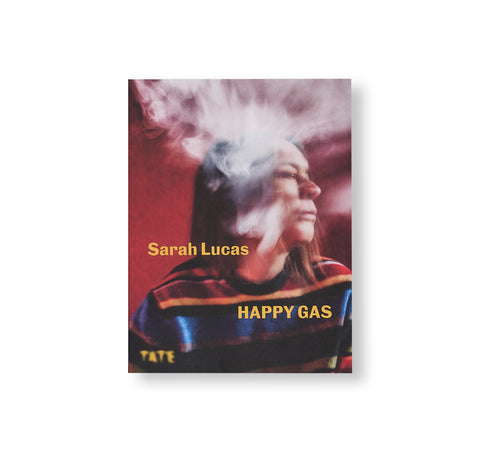
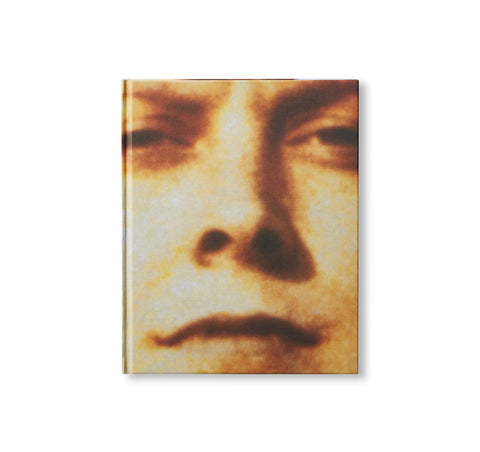
GOD IS DAD by Sarah Lucas
イギリス人アーティスト、サラ・ルーカス(Sarah Lucas)の作品集。2005年2月から3月にかけてニューヨークの「グラッドストーン・ギャラリー(Gladstone Gallery)」で開催された展覧会に伴い刊行された。豊富な図版とともに、美術史家リンダ・ノックリン(Linda Nochlin)によるエッセイを収録する。
自画像、ファウンド・オブジェクトによる構成物、そしてコラージュを用いながら、作者は身体とセックスをめぐる、グロテスクであると同時に不条理でもある婉曲的な連想と向き合い、そうしたネガティブな抽象化が生じる元となる、清教主義、ポリティカル・コレクトネス、そして性差別のカモフラージュをユーモアをもって解体していく。
彫刻と自画像の両方に一貫する下世話なトーンは、まさに毒をもって毒を制するかのように、現代イギリス文化に潜む女性蔑視的な傾向と対峙する。露骨さと繊細さを慎重に釣り合わせながら、作者は卑猥な紋切り型やとりとめのないスラングを彫刻に結びつけ、同時にその言語的な無意味さをあらわにする。作品のタイトルに見られるようなユーモアと、作者が好んで用いる粗削りな美意識との組み合わせは、自らが批判する性差別と同じ下品さを帯びるだけでなく、それに鏡を掲げることでその攻撃性を骨抜きにする役割を果たしている。
作者は削ぎ落とされた語彙を用いて、自身が常に関心を寄せてきた、「現代の女性が直面するダブルバインド、セックスと愛の錯綜した機微、そして家庭性と宗教という不安定な概念」という主題について思索する、張り詰めた思慮深い作品群を生み出している。ヴィクトリア朝のベッドフレーム、ストッキング、そして裸電球を用いることで、作者は身体の乱雑さ、それを枠づけ制御しようとする慣習の空しさ、そして最終的には、一夫一婦制や生涯にわたる関係という概念が現代人の心にかき立てる悲観を喚起する。ユーモアを通して作者が用いる軽やかな筆致ゆえに、そこから引き起こされる反応は決して割り切れるものではない。下品さと思慮深さの境界線をなぞることで、作者の彫刻は、自らが問う本質的にもつれた主題を解決しようとするのと同じくらい、社会における卑俗な人間性の媒介について問いを投げかけるのである。
EXHIBITION:
テート美術館 | YBA & BEYOND 世界を変えた90s英国アート
東京展
会期:2026年2月11日(水・祝)- 5月11日(月)
時間:10:00 - 18:00
休館日:火曜日(5/5は開館)
開催場所:国立新美術館 企画展示室2E
京都展
会期:2026年6月3日(水)- 9月6日(日)
時間:10:00 - 18:00
休館日:月曜日(月曜日が祝・休日の場合は開館)
開催場所:京都市京セラ美術館
詳細
※本展は終了いたしました
A fully illustrated catalogue with an essay by art historian Linda Nochlin, this book was published on the occasion of the Sarah Lucas's solo exhibition at Gladstone in 2005. Using self-portraiture, found-object constructions, and collage, Lucas confronts the alternately grotesque and absurd euphemistic associations with the body and sex, humorously breaking down the camouflage of Puritanism, political correctness, and sexism from which these negative abstractions arise.
The bawdy tone consistent in both her sculpture and self-portraiture fights fire with fire, confronting the misogynistic tendencies of contemporary British culture. A careful balance of the blatant and the subtle, she ties lewd clichés and desultory slang to sculpture while exposing its linguistic meaninglessness. The pairing of humor, as evidenced in the titles of her work, and the rough-hewn aesthetic she favors not only matches in vulgarity the sexism she attacks, but serves to deflate the offense by holding a mirror to it.
Lucas incorporates a pared-down vocabulary to create taut and thoughtful works meditating on themes that have always held her interest: the double bind faced by contemporary women, the messy intricacies of sex and love, and the rickety concepts of domesticity and religion. Using Victorian bed frames, stockings, and bald light bulbs, she evokes the untidiness of the body, the futility of the conventions used to frame and control it, and in the end, the pessimism that notions of monogamy and life-long commitment stir up in the contemporary mind. Because of the light touch Lucas applies through humor, the responses these evoke are never so cut and dried: By towing the lines of vulgarity and thoughtfulness her sculptures provoke questions about the mediation of base humanity in society, as much as they try to resolve the inherently tangled subjects she queries.