

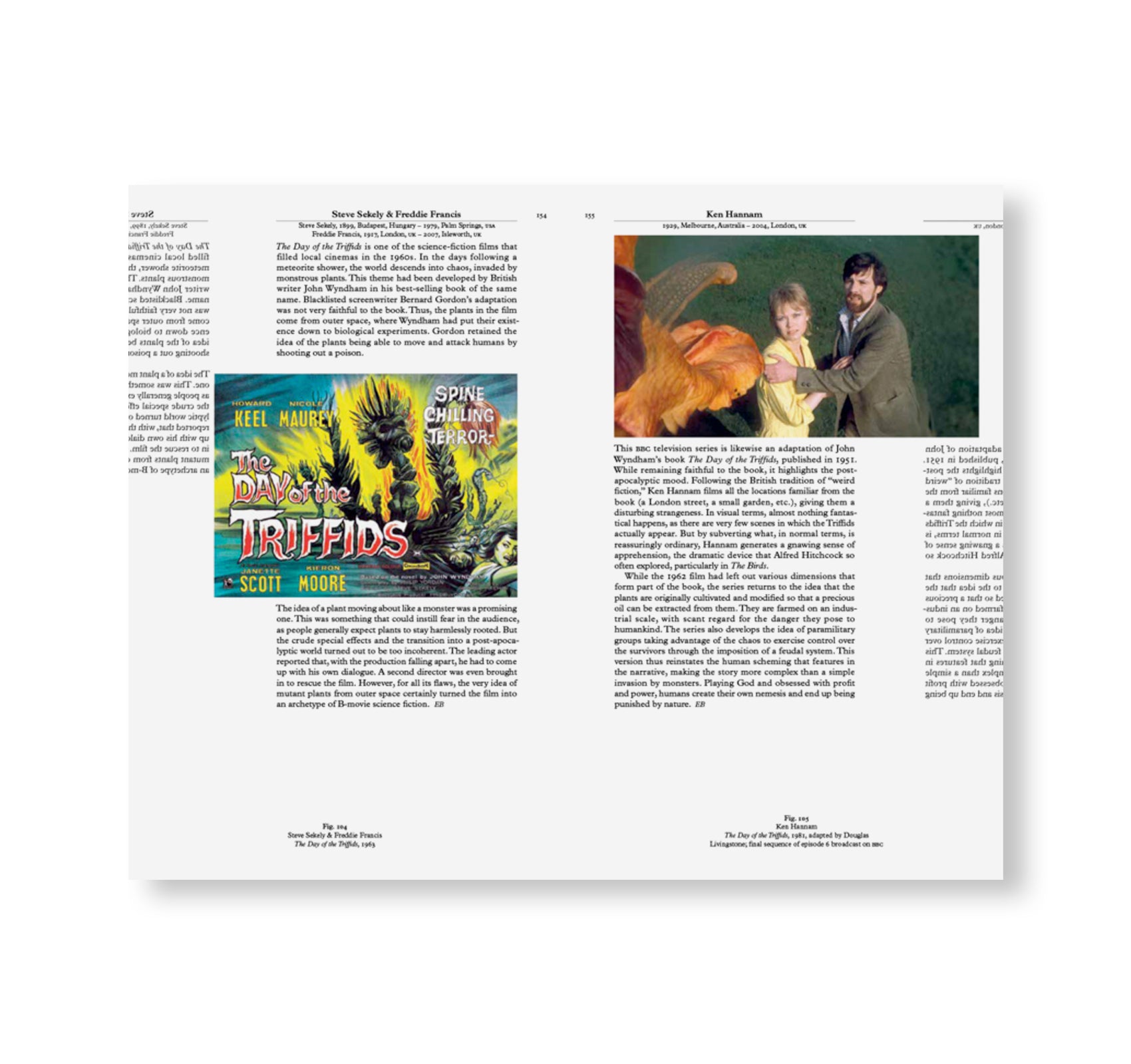
SCIENCE/FICTION: A NON-HISTORY OF PLANTS
19世紀半ばから現代に至るまで、アート、テクノロジー、科学を結びつけながら、科学とフィクションという2つのコンセプトを通じて、植物の視覚的歴史を辿る作品集。2024年10月から2025年1月にかけて「ヨーロッパ写真美術館(Maison Européenne de la Photographie / MEP)」で開催された展覧会に伴い刊行された。
植物をめぐる言説は、科学的発見からアニミズム的信仰、遺伝子変異に結びついた不安や政治的な語り、さらには嫌悪と魅惑といった感情に至るまで広がっている。植物は私たちのもっとも親密な欲望と恐れをあらわにする、尽きることのない物語の源泉である。本書は、植物世界に対して人間が投影してきたイメージや表象を問い直しながら、植物が備える主観性、知性、そして表現する力を浮かび上がらせる。その主要な証言者となるのが、レンズを介して生み出されたイメージである。
19世紀半ばから現在にいたる植物の視覚的な歴史を、芸術、技術、科学を結びつけながらたどる本書は、それを年代順に記述するのではなく、「科学」と「フィクション」という2つの概念的枠組みによって構成する。異なる時代と地域にまたがる30組を超える作家たちを集め、SF小説の論理を用いながら、安定し認識可能な世界から出発し、次第に不確かな風景へと読者を導いていく。
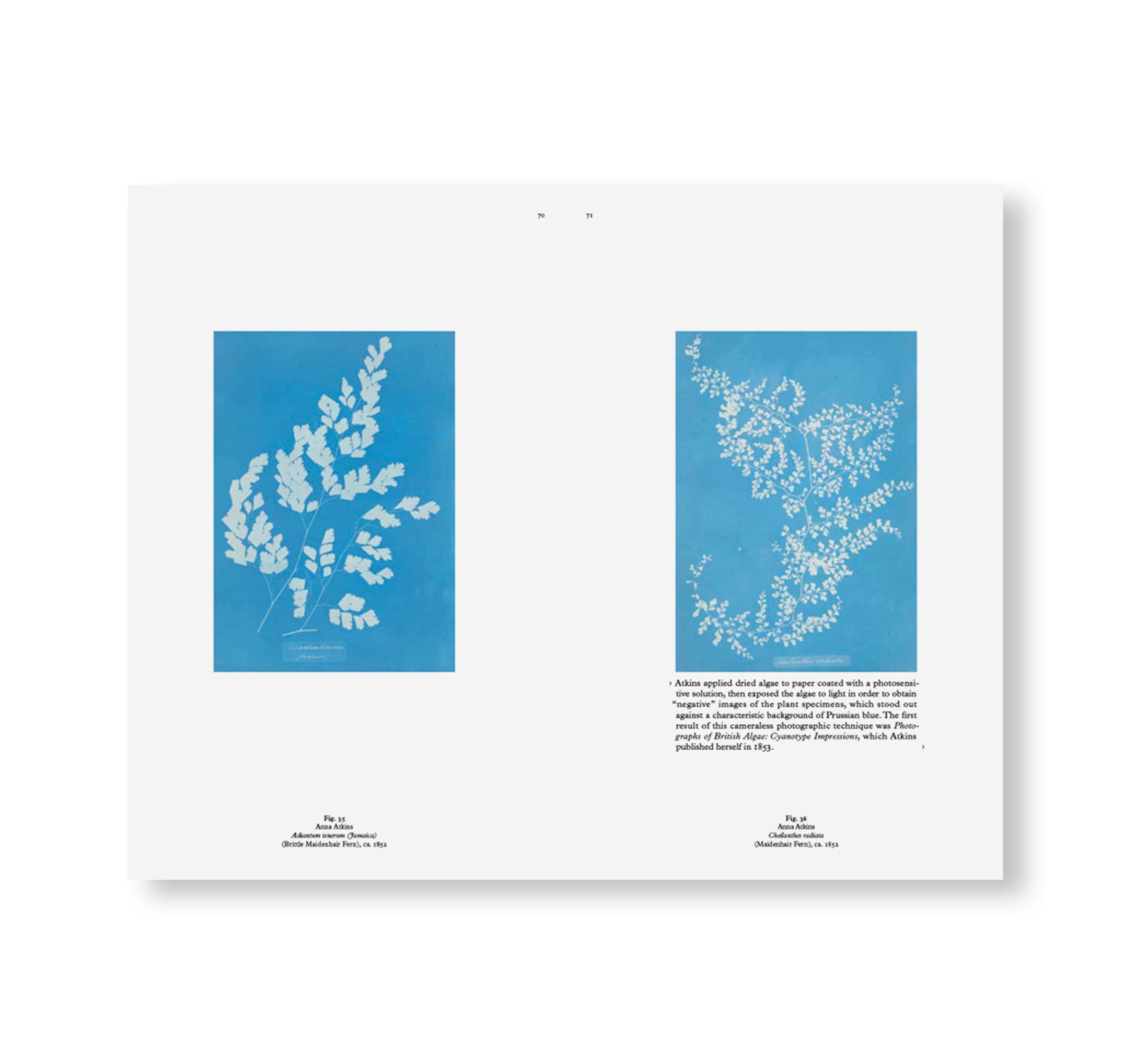
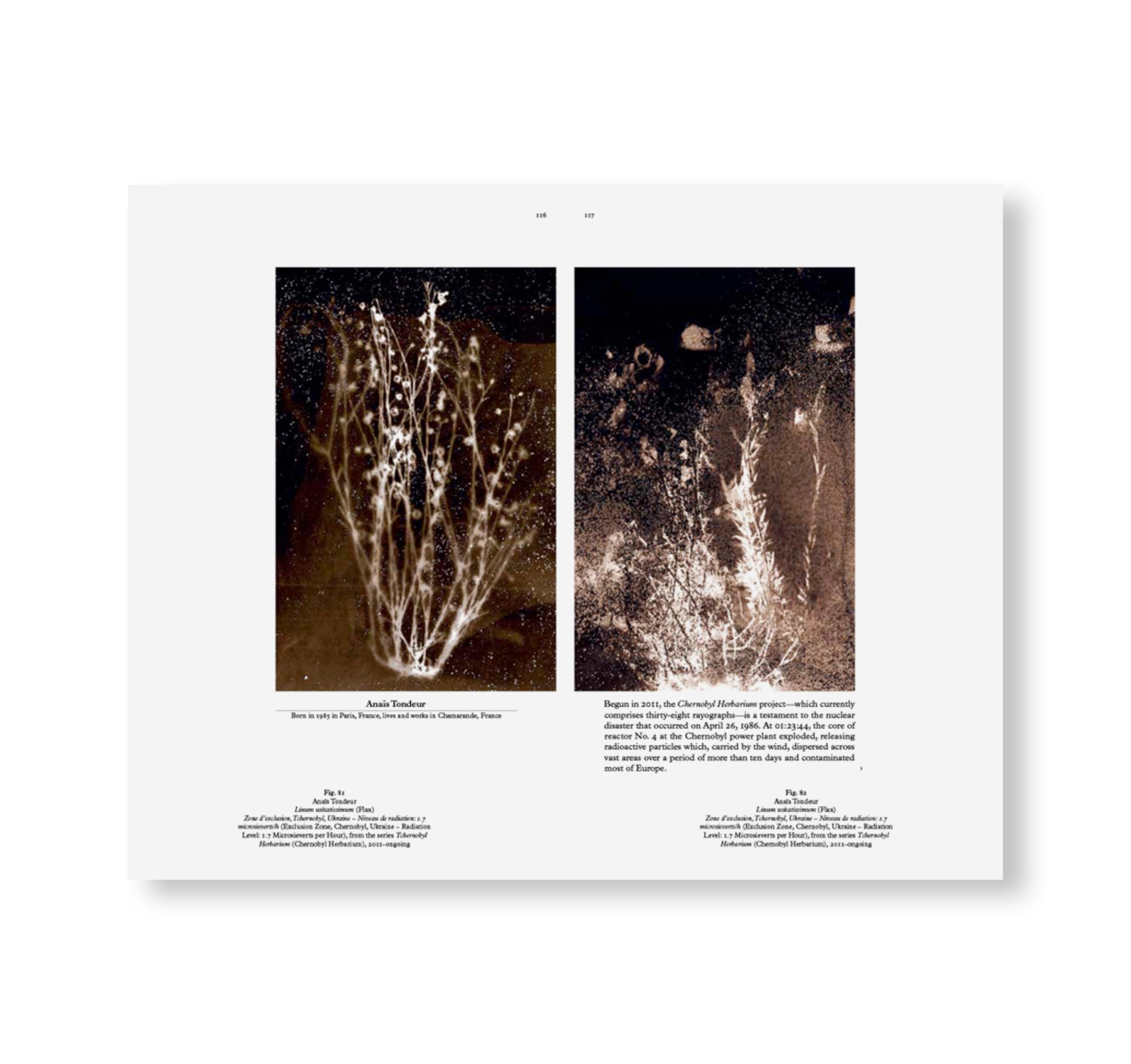
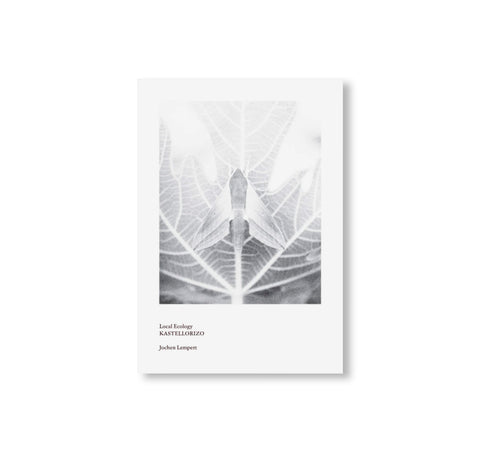
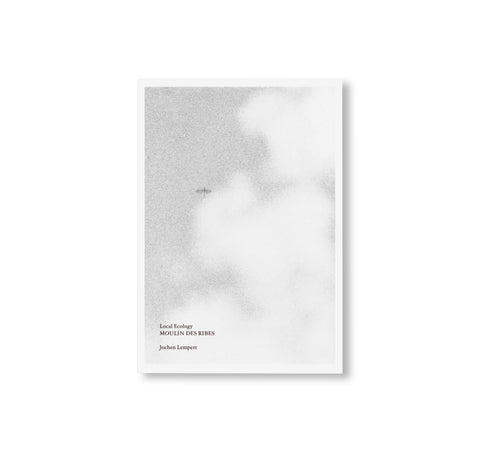
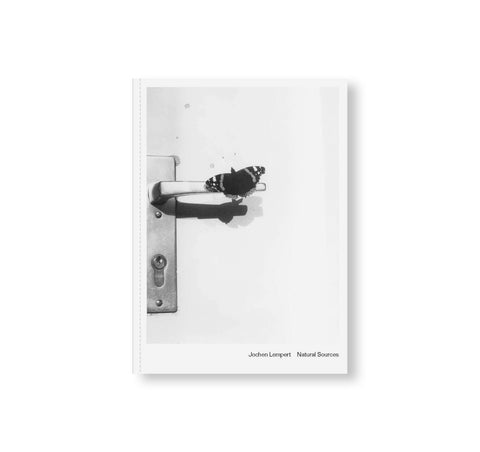
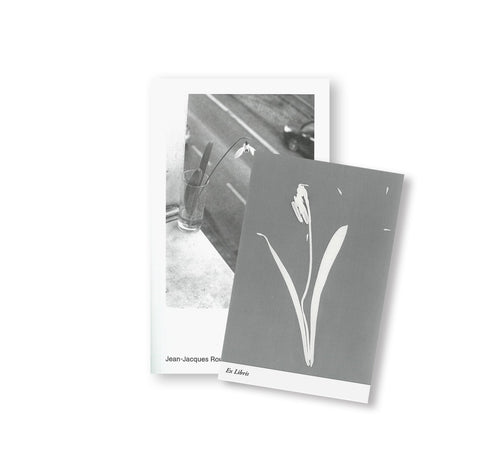
参加作家:ロール・アルバン=ギヨ(Laure Albin-Guillot)、アンナ・アトキンス(Anna Atkins)、カール・ブロスフェルト(Karl Blossfeldt)、ヘンリー・ブラッドベリー(Henry Bradbury)、スタン・ブラッケージ(Stan Brakhage)、ジャン・コマンドン(Jean Comandon)、イモージェン・カニンガム(Imogen Cunningham)、ゴハール・ダシュティ(Gohar Dashti)、レベッカ・ドイブナー(Rebekka Deubner)、アーグネス・デネス(Ágnes Dénes)、エルスペス・ディードリクス(Elspeth Diederix)、カレフ・エリクソン(Kalev Erickson)、サム・フォールズ(Sam Falls)、エレオノール・ファルス(Éléonore False)、ジョアン・フォンクベルタ(Joan Fontcuberta)、スティーヴン・ギル(Stephen Gill)、ワロン・グリーン(Walon Green)、オルガ・グロトヴァ(Olga Grotova)、ケン・ハンナム(Ken Hannam)、ホルスト・P・ホルスト(Horst P. Horst)、ピーター・A・ハッチンソン(Peter A. Hutchinson)、ピエール・ジョゼフ(Pierre Joseph)、フィリップ・カウフマン(Philip Kaufman)、アリ・カズマ(Ali Kazma)、サミール・ラグアティ=ラシュワン(Samir Laghouati-Rashwan)、ヨッヘン・レンペルト(Jochen Lempert)、アンゲリカ・ローデラー(Angelika Loderer)、アンジェリカ・メシティ(Angelica Mesiti)、フリードリヒ・ヴィルヘルム・ムルナウ(Friedrich Wilhelm Murnau)、アリス・パロ(Alice Pallot)、アグニェシュカ・ポルスカ(Agnieszka Polska)、マックス・ライヒマン(Max Reichmann)、アルベルト・レンガー=パッチュ(Albert Renger-Patzsch)、アルムデナ・ロメロ(Almudena Romero)、フィリップ・ルー(Philippe Roux)、ミルジョン・ルパート&ウルリク・ヘルトフト(Miljohn Ruperto & Ulrik Heltoft)、スチュアート・A・ステイプルズ&フランク・パーシー・スミス(Stuart A. Staples & Frank Percy Smith)、スティーヴ・セケリー&フレディ・フランシス(Steve Sekely & Freddie Francis)、ティムール・シーキン(Timur Si-Qin)、リヒャルト・テーペ(Richard Tepe)、チャールズ・T・スコーウェン(Charles T. Scowen)、アナイス・トンドゥール(Anaïs Tondeur)、エドワード・ウェストン(Edward Weston)
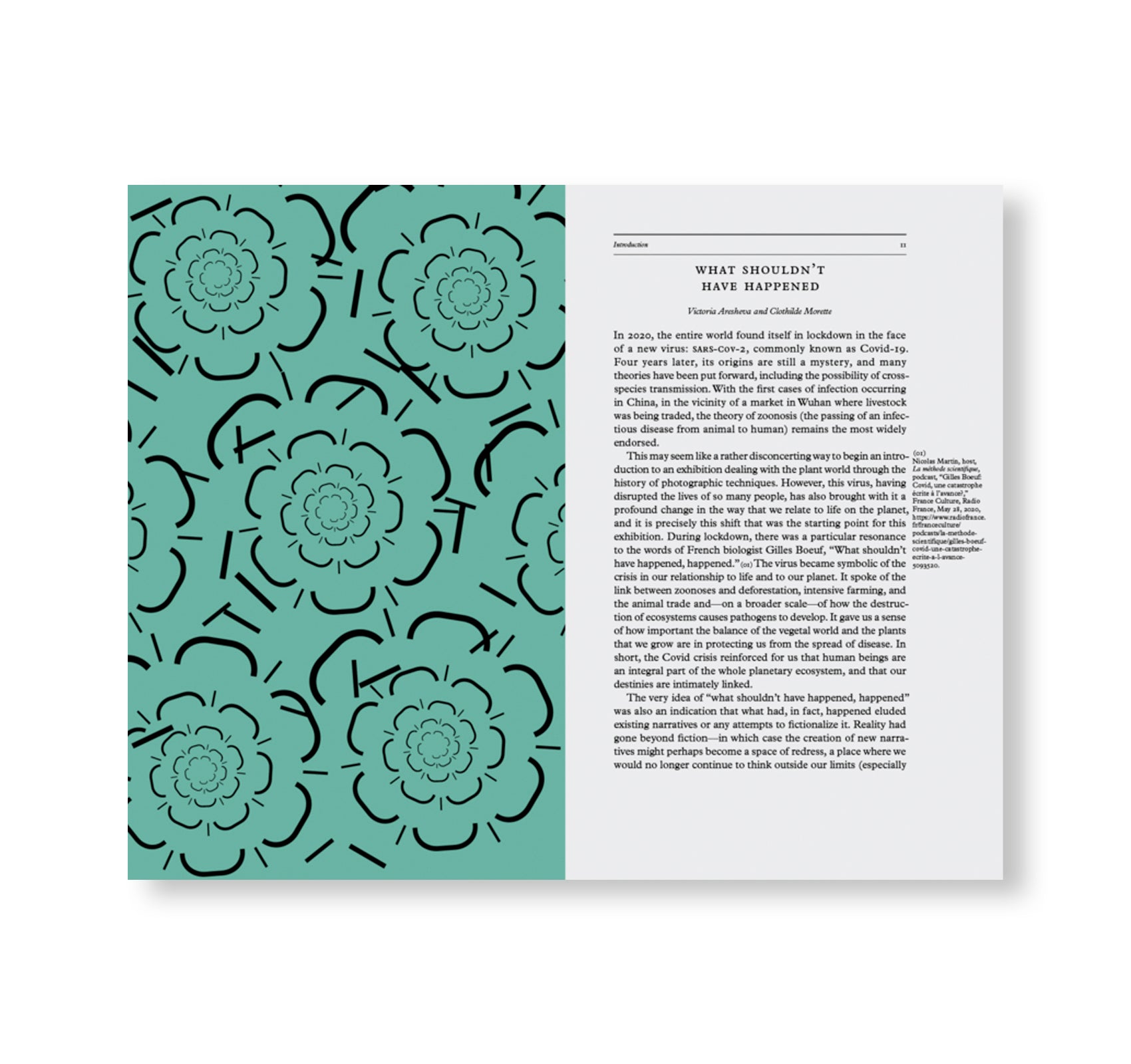
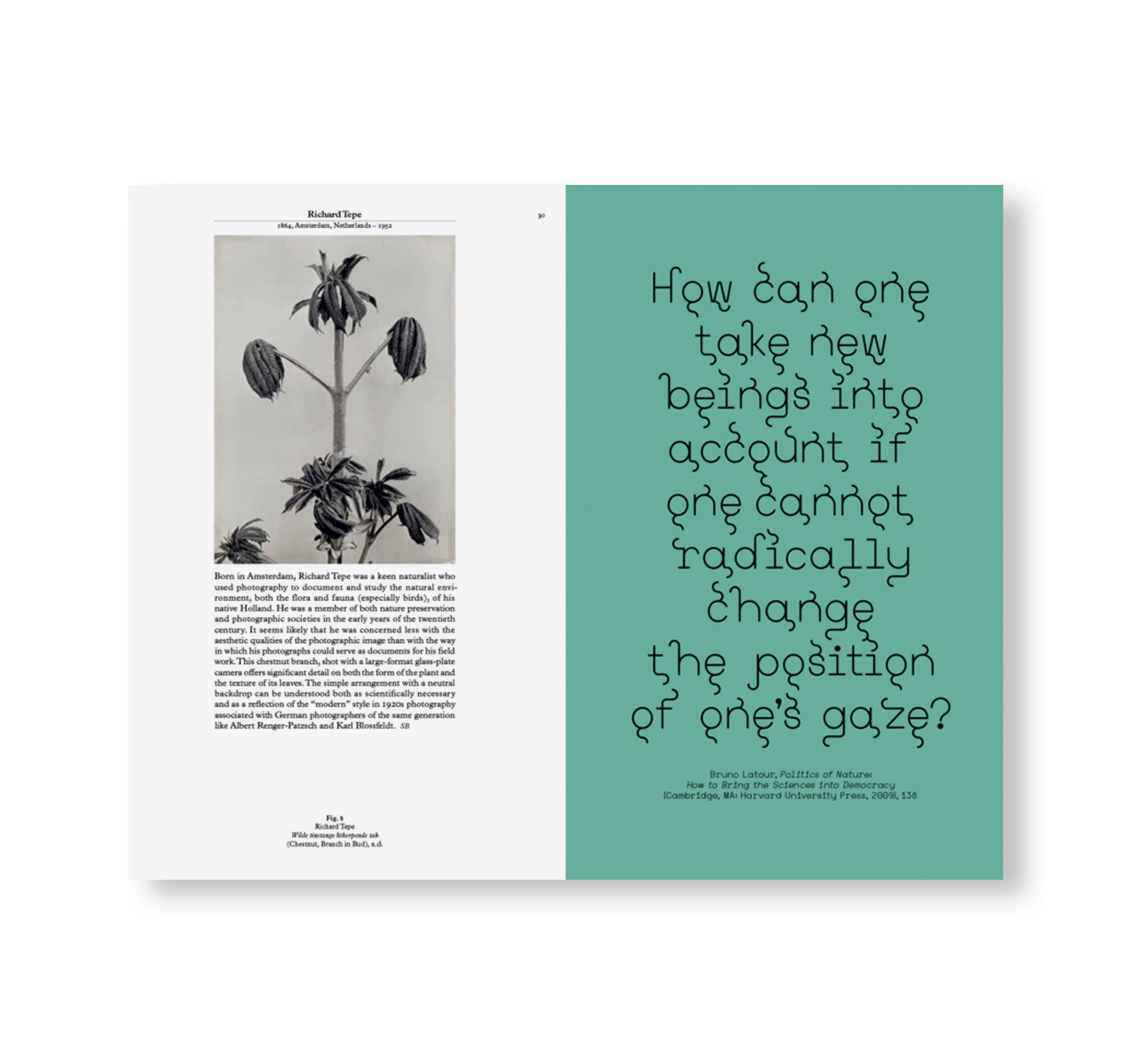
From scientific discoveries to animist beliefs, from dread linked to genetic mutations to political narratives, from repulsion to fascination—plants are an inexhaustible source of stories that reveal our most intimate desires and fears. The book questions human projections and representations of the vegetal world, bringing to light the subjectivity, intelligence, and expressive abilities of plants. Lens-based images are primary witnesses to this. The publication traces a visual history of plants, linking art, technology, and science from the mid-nineteenth century to the present day, not chronologically, but through two conceptual frameworks: scientific and fictional. Bringing together more than thirty artists across different periods of time and parts of the world, it employs the logic of the science-fiction novel, taking us from a stable, identifiable world and gradually plunging us into uncertain landscapes.


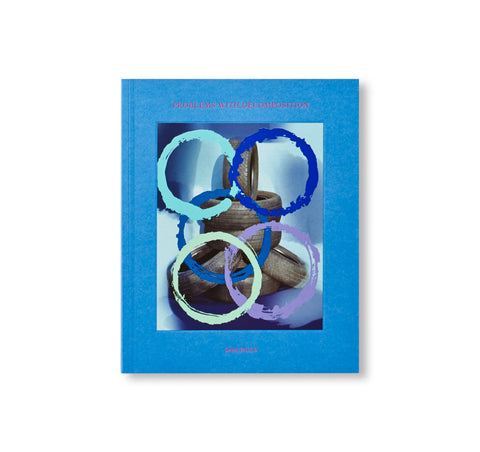
![PROBLEMS WITH DECOMPOSITION by Sam Falls [SIGNED]](http://ja.twelve-books.com/cdn/shop/products/140421_69745_large.jpg?v=1571703893)
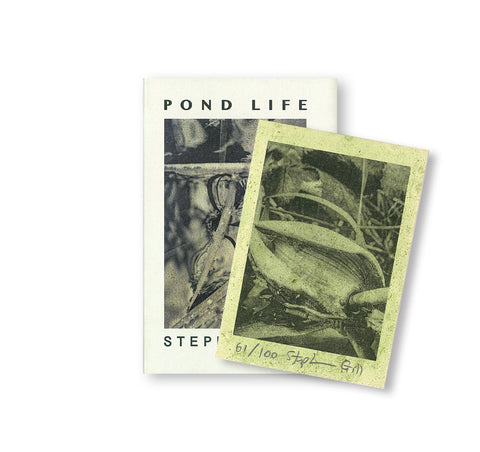
![COEXISTENCE by Stephen Gill [SIGNED]](http://ja.twelve-books.com/cdn/shop/products/170607_0788_large.jpg?v=1571703944)
![COEXISTENCE by Stephen Gill [SPECIAL EDITION]](http://ja.twelve-books.com/cdn/shop/products/170629_0936_large.jpg?v=1571703944)